Treatment guides

Explainers on beauty treatments, how they compare and what to offer.

  • Classic, Russian Volume Lashes – What’s the difference?

    Classic, Russian Volume Lashes – What’s the difference?

    If you’re new to lash extensions and thinking of training in these lucrative treatments, it can be very confusing with all this lash terminology. We’re often asked what’s the difference between these different lash techniques? 

    Classic Lash Extensions

    Classic lashes involve the technique for isolating one natural lash using tweezers and then applying one individual false lash to it. This can add length and some limited extra volume to the natural lashes. Classic lashes usually give a very natural look, with greater definition to the eye area for an open-eyed, youthful look.

    Russian Volume

    Russian volume lashes technique involves selecting a group of typically 2-8 individual false lashes to create a fan. The technician then isolates one natural lash using tweezers and applies this fan to the natural lash. This technique is repeated to create anything from a nice, fluffy lash to very dramatic volume. This technique adds volume and length to the lashes for a dramatic lash look.

    Hybrid Lashes

    Hybrid lashes combine the classic lash technique (one single false lash to one natural lash) and Russian volume technique (applying a lash fan to one natural lash) at a 70-30 ratio for a more defined, volume look that can look wispy, textured and more natural than a Russian volume lash look. The technician will first go in with the classic technique to create a framework in which to then fill with fans. This look gives the best of both worlds in terms of Classic and Russian volume – greater length, greater volume and more definition to the eye but still maintaining a natural looking balance to the lashes.

  • Is Brow Lamination as good as Microblading?

    Is Brow Lamination as good as Microblading?

    It is a question we’re often asked – we’d say it is probably better! And we’ll explain why…

    • Brow lamination works in harmony with your existing natural brows pulling unruly brow hairs into line for perfectly uniform, thicker looking brows.
    • Brow lamination is non-invasive with no ‘healing’ time unlike microblading. Any mild redness (erythema) you may see from shaping using wax which is commonly offered as part of a brow lamination service, usually subsides within 2-4 hours.
    • Brow lamination results last 2-8 weeks depending on a few factors, this means you get the benefit of fuller looking brows but with the flexibility as results drop to be able to change your brow look as fashion (and personal taste) dictates. Microblading results are semi-permanent lasting 1-3 years, with fade out results varying hugely.
    • Brow lamination is suitable for all hair and skin types – unlike microblading which isn’t best suited to those with oily skin (results fade quicker) or dry / sensitive skin conditions (healing can be slower and give uneven results).
  • What is Dermaplaning?

    What is Dermaplaning?

    Dermaplaning is one the most convenient facial treatments to treat skin imperfections. Using a surgical blade the therapist will remove peach fuzz, reduce the appearance of blemishes and other flaws that could be dulling the complexion.

    Dermaplaning can be used alongside other aesthetic treatments allowing products to penetrate much deeper into the skin and achieving an enhanced result, for example the reduction of lines, wrinkles and scars.

    The treatment does not use any chemicals and is not invasive, making it safe for majority of clients including pregnant and lactating women.

  • French Tips: A Timeless Classic

    French Tips: A Timeless Classic

    What are French Tips and why are they so popular? The style of the French Tip dates back to the 1930s and gained their iconic name in Hollywood in the 1970s by Jeff Pink, the creator of the French Manicure. The French Manicure was created to help screen actors speed up the process of wardrobe changes. The French Tip is a simple yet elegant style of nail, suitable for everyday wear and special occasions, making it a very practical yet fashionable choice!

  • What is a Hot Stone Massage?

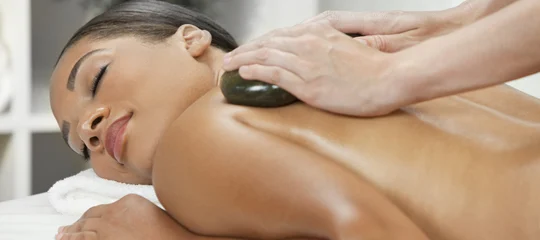
    What is a Hot Stone Massage?

    A hot stone massage is a popular treatment that offers tranquility and serenity. It uses warm basalt stones, and works on energy points located on the body, helping us to rebalance. The heat from the basalt stones permeates through the clients skin, aiding in relaxation.

  • What are the Benefits of Brow Lamination?

    What are the Benefits of Brow Lamination?

    Brow Lamination is one of the most popular semi-permanent brow treatments in the industry. You can do it yourself at home, or offer it as a treatment in your salon. The treatment consists of setting the hair in a desired shape. This technique is perfect for people with gaps in their brows or unruly hairs! It gives the eyebrows a very sleek appearance by brushing the hairs upwards. The treatment can last up to 6 weeks, and are normally charged at £30-£50 per session. It is important that you choose high quality products to ensure the best results. As a qualified beautician, you can offer these treatments in your own salon.

  • What is the best treatment for perfect, soft feet this winter?

    What is the best treatment for perfect, soft feet this winter?

    The colder months are edging closer and more clients may be looking to pamper their feet either to return skin and nails to tip-top condition after a summer of sandals; or they may be looking ahead to party season! Many treatments include heat as part of the pampering service, which are also great for joints and relaxation in the colder months. We cover the top treatments for perfect feet all winter long…

  • What is Facial Yoga? Caring for Menopausal Skin…

    What is Facial Yoga? Caring for Menopausal Skin…

    With a whole host of celebrities promoting the benefits of facial yoga and many new brands coming through offering their own regimes and routines, this week we explore the hot topic of facial yoga. The benefits of yoga for the body have long been known and practised to keep the body supple. Yoga for the face is no different in that it involves movements and stretches to help tone, strengthen but also relax muscles. Given that there are 42 individual muscles in the human face, there is certainly plenty to work on! Facial yoga involves massage and exercises that stimulate the muscles, skin, and lymphatic system. These movements are designed to soften and relax face muscles to help alleviate tension, stress, and worry – all of which contribute to fine lines and wrinkles appearing in the skin.

  • Anti-Aging Facials – Is Microcurrent the forgotten key to youthful skin?

    Anti-Aging Facials – Is Microcurrent the forgotten key to youthful skin?

    Microcurrent facials have been used since the 1980s and were originally used as an effective way to stimulate and retrain the facial muscles to treat conditions such as Bell’s Palsy. Since then, their efficacy in helping to improve muscle tone and the contours of the face has been recognised for cosmetic reasons. However, with advancements in aesthetics and injectibles such as facial fillers becoming high demand, the micro-current facial was left behind. However, as more clients now seek non-invasive methods to rejuvenate the skin and stave off the visible signs of aging, microcurrent treatments are once again coming into popularity.

    Alongside radio frequency, LED light therapy and microneedling, microcurrent treatments have zero downtime making them great for those who want the visible benefits but without the tell tale signs left by invasive treatments. But what actually are microcurrent facial treatments and why should you be turning your attention back to these powerful muscle toning, cost effective and profitable treatments?

  • All about Reflexology

    All about Reflexology

    Updated 8th April 2025

    Therapist giving a foot reflexology treatment

    Derived from Eastern medicine practices, Holistic treatments are non-invasive therapies which aim to treat underlying issues. They work on creating harmony within in the body through connection with energy points or meridian lines to work on overall health and well being. They compliment the western approach of medicine by offering an additional method for relaxation and stress relief which can benefit a variety of clients. One of the most popular Holistic treatments is Reflexology. In today’s blog we’re going to put a spotlight on this ancient treatment giving you and insights into the benefits and practices.

    What is Reflexology and how does it work?

    Reflexology is an In-depth foot treatment designed to relieve stress, relax and rebalance the body. The treatment focusses on reflex areas on foot which correspond to all of the glands, organs and parts of body. Pressure is applied using thumbs/fingers to reflex points on feet to stimulate these specific parts of the body encouraging a balance affect.

    Reflexology uses zone therapy which was developed by Dr William Fitzgerald. Dr Fitzgerald believed the body could be divided into longitudinal zones running from the top of the head to the tips of the toes, he found that those parts of the body in each zone are linked by a flow of energy and that the parts of the body in each zone can have an effect on each other.

    Body meridians chart

    The body systems are represented on the feet a good way to learn this areas is to see the two feet together as a mirror for the body. For example, the brain reflex is found on the top of the big toe, the spine runs from the big toe down to the heel on each foot. The right foot governs right-hand side of body, left foot governs left-hand side of the body. The image below details the organs and where they are found.

    Foot reflexology chart


    What are the benefits of Reflexology?

    • Stress relief – stress is responsible for 75-85% of illness
    • Improves circulation – body relaxes during reflexology – tension that restrictsblood flow is reduced enabling the blood to flow more freely
    • Helps eliminate toxins from the body (improves the function of the lymphaticsystem and stimulates the excretory system)
    • Balancing – improves the balance between the systems of the body so boostingthe immune system.

    What is the role of the Reflexologist?

    Reflexologists should never medically diagnose during a session with a client, the treatment is merely to focus on rebalancing the body and its systems. This is done by providing a relaxing treatment using pressure with fingers and thumbs to the reflex points not he client’s feet in order to stimulate various parts of the body. Reflexology is best completed In a series of treatments, most clients start to notice a difference after 3-6 weekly treatments. In general it’s recommended that a client have 4-6 treatments in a course.

    How much can I charge for Reflexology? 

    How much you can charge for a reflexology can vary depending on where you are practicing. On average in the UK the treatment can currently cost between £25-£60 a session. It’s worth doing your market research to see what other practitioners are charging in your local area.

    How do I become a Reflexologist? 

    Our two day intensive Reflexology course will provide you will all of the information, techniques and hands on practice you need to get started with your Reflexology. Over the two days you will learn:

    • Health, safety & hygiene
    • Consultation techniques
    • Contraindications
    • Theory of reflexology
    • Reflexology massage movements and modifications
    • Treatment procedure for working on the feet
    • Massage mediums
    • Practical tuition on performing a reflexology treatment on the feet
    • Aftercare advice